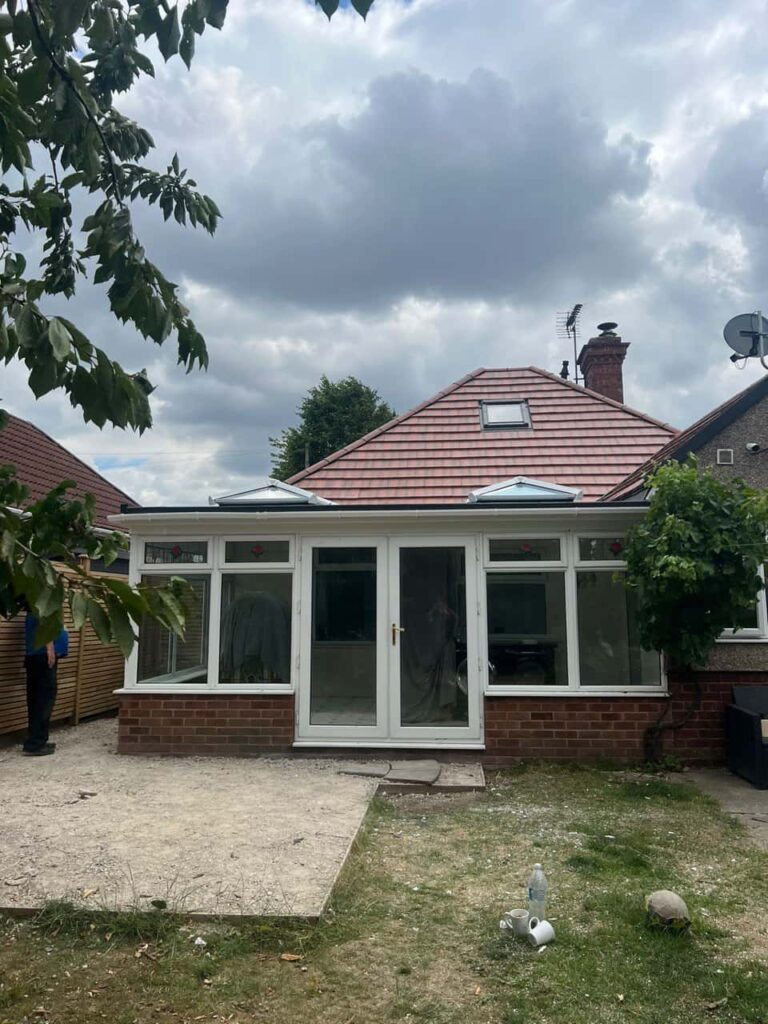
A roof does not have to be leaking heavily before its condition deserves attention. Long-term exposure to rain, wind, sunlight and seasonal temperature changes gradually affects roofing materials, and an older roof can begin looking noticeably weathered even while it continues to protect the property. The important question is whether the roof simply needs routine maintenance or whether its condition indicates that more substantial roofing work should now be considered.
For homeowners in Beaconsfield, Buckinghamshire, the distinction is not always obvious from ground level. At LS Roofing Beaconsfield, we assess the overall condition of roofing systems rather than focusing solely on individual visible defects. This helps establish whether targeted maintenance remains appropriate or whether wider deterioration requires a more comprehensive solution.
A Worn Appearance Does Not Automatically Mean Roof Failure
Weathering is a normal part of a roof’s life. Tiles can become discoloured, surfaces may lose some of their original appearance, and small maintenance issues can develop over time.
A roof that looks old may still be fundamentally sound.
Maintenance may be sufficient where problems are limited to issues such as:
- A small number of slipped or damaged tiles
- Minor flashing defects
- Localised ridge or hip deterioration
- Blocked gutters or valleys
- Isolated areas requiring repair
The condition of the entire roofing system matters more than appearance alone.
When Repairs Start Becoming Frequent
One of the clearest indications that an ageing roof may require more than routine maintenance is an increasing pattern of repairs.
An occasional defect can occur on almost any roof. However, if different sections regularly develop new problems, this may indicate that multiple components are reaching a similar stage of deterioration.
Repeated issues might include:
- Tiles continually cracking or slipping
- Leaks developing in different locations
- Recurring flashing problems
- Deterioration around ridges and hips
- Increasing weather-related damage
At this point, assessing the roof as a complete system becomes particularly important.
Widespread Tile Deterioration Deserves Closer Attention
Replacing several damaged tiles can be an effective repair when the surrounding covering remains in good condition. The situation changes when deterioration is widespread.
Large numbers of tiles may become brittle, cracked or heavily weathered as the roof ages. Continually replacing individual units may address immediate defects without resolving the wider decline of the covering.
A professional inspection can determine whether the damage remains localised or whether substantial sections are approaching the end of their useful service life.
Recurring Leaks Can Indicate a Wider Problem
A single roof leak does not necessarily mean extensive work is required. Once the source is identified, a targeted repair may provide an effective solution.
Recurring leaks deserve a different level of attention.
If water ingress begins appearing in several areas, the problem may involve more than one isolated defect. The condition of the tiles, underlay, flashing and roof details should all be considered.
Signs of moisture problems can include:
- Ceiling stains
- Damp loft insulation
- Water marks on roof timbers
- Dampness around chimney areas
- Peeling internal finishes
Identifying why leaks are recurring is essential before deciding on the appropriate work.
Look Beyond the Visible Roof Covering
The tiles or slates are only the outermost part of a roofing system. Beneath them are components that also age and can influence whether continued maintenance remains practical.
A thorough assessment may consider:
Roofing underlay
Older underlay can deteriorate over time. If it is damaged across substantial areas, replacing individual tiles above it does not necessarily resolve the underlying weakness.
Battens
Roofing battens support the covering. Moisture exposure or deterioration may affect their condition and the security of tiles.
Roof timbers
Evidence of prolonged moisture ingress should prompt inspection of the supporting timber structure.
Flashing and junctions
Multiple deteriorating junctions can indicate that the roof requires broader attention rather than isolated patching.
This is why deciding between maintenance and more extensive roofing work should be based on the complete roof construction.
A Sagging or Uneven Roofline Needs Investigation
Changes to the shape of a roof should not be treated as ordinary surface wear.
A roofline that appears noticeably uneven, dipped or distorted may indicate movement or deterioration within the supporting structure.
The cause should be professionally investigated rather than assuming that replacing visible roofing materials will correct the problem.
Ridge and Hip Deterioration Can Become Widespread
Ridges and hips are highly exposed parts of many pitched roofs. As the roof ages, deterioration can develop around these areas.
A small localised defect may be straightforward to repair. However, widespread movement, failed materials or repeated problems across several sections can indicate that more extensive work is appropriate.
Assessing these details alongside the main roof covering provides a more accurate picture of the roof’s overall condition.
Previous Repairs Can Reveal the Roof’s History
An older roof may contain evidence of numerous repairs carried out over many years. This is not necessarily a problem if those repairs remain sound, but a heavily patched roof can sometimes indicate continuing deterioration.
A professional assessment can examine whether:
- Existing repairs remain secure
- New defects are developing around previous work
- Different areas are failing independently
- The underlying roof remains serviceable
Understanding the history of repairs can help determine whether further maintenance remains a sensible approach.
How Much of the Roof Is Actually Affected?
The extent of deterioration is one of the most useful factors when deciding what type of work is required.
If the vast majority of the roof remains sound and only one small section is defective, localised repair is often appropriate.
Where deterioration affects multiple roof slopes or numerous components, repeatedly addressing individual symptoms may no longer provide the best long-term outcome.
Professional assessment helps distinguish between an isolated defect and general roof decline.
When Maintenance Is Still the Right Approach
Roof maintenance remains extremely valuable when the underlying roofing system is fundamentally sound.
Appropriate maintenance can help:
- Replace individual damaged materials
- Restore defective flashing
- Correct localised leaks
- Maintain roof drainage
- Address ridge or hip defects
- Prevent minor deterioration from spreading
There is no benefit in recommending extensive work where careful maintenance can continue to provide reliable protection.
When More Substantial Roofing Work May Be Appropriate
More extensive work becomes worth considering when deterioration is no longer confined to isolated areas.
Indicators may include:
- Widespread failure of roofing materials
- Numerous recurring leaks
- Significant underlay deterioration
- Repeated defects across different areas
- Structural concerns
- Extensive weathering affecting overall performance
The objective is not simply to make an old roof look newer. Any substantial work should address genuine deterioration and restore dependable weather protection.
Why a Professional Roof Assessment Matters
Determining the condition of a roof from the garden can be difficult. Some defects are almost impossible to identify without closer inspection, while visible weathering can sometimes appear more serious than it actually is.
A professional roofer can assess:
- Tiles or slates
- Ridges and hips
- Flashing
- Valleys and junctions
- Underlying roofing components where accessible
- Evidence of moisture
- Previous repairs
- Overall roof condition
This allows recommendations to be based on what the roof actually needs rather than assumptions based solely on its age or appearance.
Why Choose LS Roofing Beaconsfield?
At LS Roofing Beaconsfield, we provide professional roof inspections, repairs and roofing services throughout Beaconsfield, Buckinghamshire. We understand that homeowners with ageing roofs want to know whether targeted repairs remain worthwhile or whether the time has come to consider more substantial work.
Our approach focuses on assessing the condition of the complete roofing system and identifying the underlying causes of deterioration. Where repairs are appropriate, we aim to preserve sound areas of the existing roof. Where broader deterioration is present, we can recommend a suitable solution based on the roof’s actual condition.
Conclusion
A worn-looking roof does not automatically need replacing. Many ageing roofs can continue performing effectively with appropriate maintenance and timely repairs. The key distinction is whether deterioration remains localised or has become widespread across the roofing system.
Frequent repairs, recurring leaks, widespread tile deterioration, ageing underlying materials and changes to the roof structure can all indicate that routine maintenance alone may no longer be sufficient.
If your roof in Beaconsfield, Buckinghamshire is beginning to look worn and you are unsure what level of attention it requires, contact LS Roofing Beaconsfield. A professional assessment can establish whether targeted maintenance remains appropriate or whether more substantial roofing work would provide a better long-term solution.
Call us on: 01494 416 498
Click here to find out more about LS Roofing Beaconsfield
Click here to complete our contact form and see how we can help with your roofing needs.