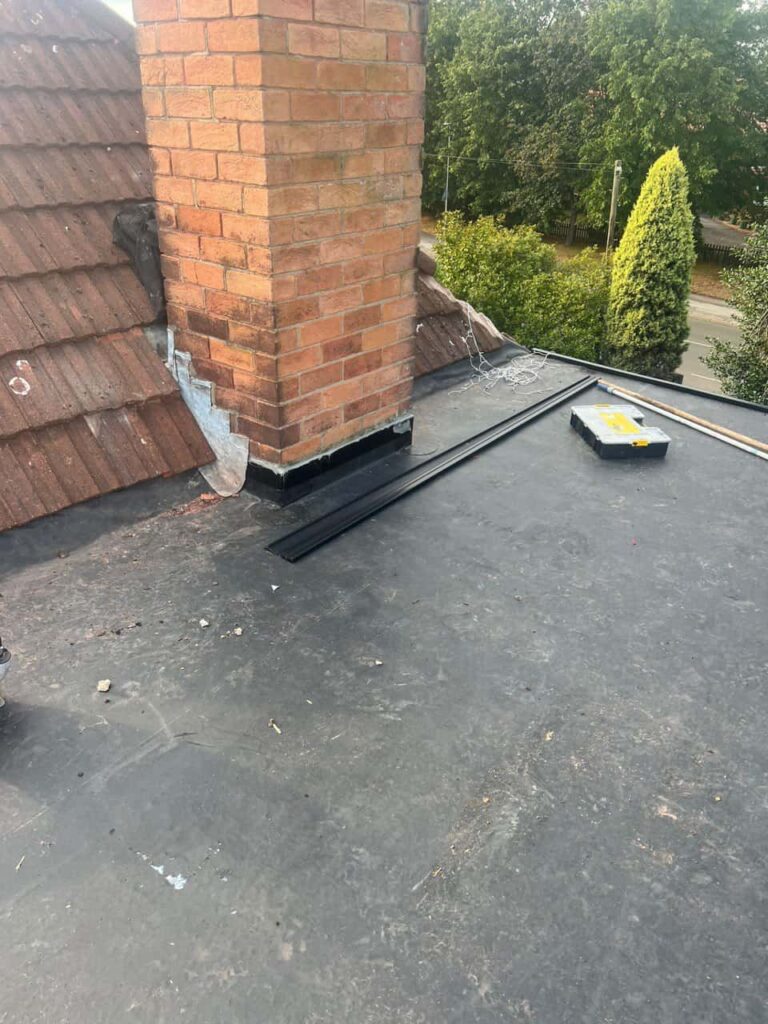
Flat roofs are a practical feature of many homes, extensions, garages and other buildings, but they require appropriate maintenance to remain effective. Because flat roofs have a relatively low pitch, problems such as water pooling, damaged coverings and blocked drainage can become noticeable over time.
For property owners in Beaconsfield, Buckinghamshire, recognising common flat roof problems early can help prevent minor defects from developing into more extensive roofing issues.
Signs Your Flat Roof May Need Repair
Some flat roof problems are easy to notice, while others can remain hidden until water begins entering the property. Common warning signs include:
- Damp patches or water staining on ceilings
- Cracked, split or damaged roof coverings
- Blistering or bubbling on the surface
- Loose or lifting edges
- Persistent standing water
- Damaged flashing around roof details
- Blocked or poorly draining outlets
If any of these signs appear, a professional inspection can help identify the underlying cause.
Water Pooling on a Flat Roof
Standing water is one of the most common concerns associated with flat roofs. Some temporary water after rainfall may not indicate a serious problem, but persistent pooling can place additional stress on the roofing materials.
Drainage should be assessed to determine whether outlets are blocked or whether there are underlying issues with the roof’s falls or surface. Addressing the cause is more effective than simply removing the visible water.
Cracks and Splits in the Roof Covering
Roof coverings can deteriorate with age and exposure to changing weather conditions. Cracks and splits can create points where water is able to penetrate the roof system.
Small areas of damage may sometimes be repaired without replacing the entire roof. The appropriate repair method depends on the roofing material, location and extent of the defect.
Blistering and Bubbling
Raised areas or bubbles beneath a flat roof covering can develop for several reasons, including trapped moisture or problems within the roofing layers.
These areas should not simply be ignored or punctured without understanding what caused them. A professional roofer can inspect the affected section and determine whether a localised repair or more extensive work is appropriate.
Damaged Flashing and Roof Edges
Flashing helps protect vulnerable junctions where the roof meets walls, edges and other structures. If flashing becomes loose, cracked or deteriorated, water can find a route beneath the roofing system.
Checking these areas is an important part of diagnosing flat roof leaks. Repairs should address both the damaged flashing and any related areas where water may have entered.
Leaks and Internal Damp
Water staining inside a property is often one of the clearest indications that a flat roof requires attention. However, the visible damp patch may not be directly beneath the point where water is entering.
Water can travel through roofing layers before appearing inside. This is why identifying the source of a flat roof leak requires careful inspection rather than simply treating the area where the damp is visible.
How Flat Roof Repairs Are Carried Out
The repair process depends on the type and extent of the damage. A professional roofer will normally inspect the roof to establish the condition of the covering, drainage points, edges and other vulnerable areas.
Repairs may involve patching damaged sections, renewing defective flashing, securing loose materials or addressing drainage problems. Where deterioration is widespread, more extensive roofing work may need to be considered.
When a Flat Roof May Need More Extensive Work
Not every flat roof problem can be solved with a small repair. Repeated leaks, widespread deterioration or damage affecting underlying materials may indicate that a larger section of the roofing system requires attention.
A professional assessment can help establish whether a local repair is appropriate or whether the roof requires more comprehensive work.
Maintaining a Flat Roof After Repairs
Regular maintenance can help identify developing problems early. Keep drainage outlets clear and look out for visible cracks, loose materials, damaged flashing or persistent water pooling.
It is also useful to monitor the interior of the building for new damp patches or staining. Prompt attention to changes can help prevent a small roofing problem from becoming more difficult to address.
Flat Roof Repairs in Beaconsfield, Buckinghamshire
For homeowners and property owners in Beaconsfield, Buckinghamshire, timely attention to flat roof problems can help maintain the condition of the building. Whether the issue involves a leak, damaged covering, defective flashing or poor drainage, professional assessment can identify the appropriate repair.
LS Roofing Beaconsfield provides professional flat roof repair services, with repairs planned according to the condition and requirements of each roof.
Conclusion
Flat roof problems can develop in several ways, from cracked coverings and damaged flashing to drainage issues and persistent water pooling. Identifying these warning signs early can help prevent further deterioration.
If you have noticed a leak or other signs of damage to a flat roof in Beaconsfield, Buckinghamshire, contact LS Roofing Beaconsfield to arrange a professional assessment and discuss the appropriate repair for your roof.
Call us on: 01494 416 498
Click here to find out more about LS Roofing Beaconsfield
Click here to complete our contact form and see how we can help with your roofing needs.