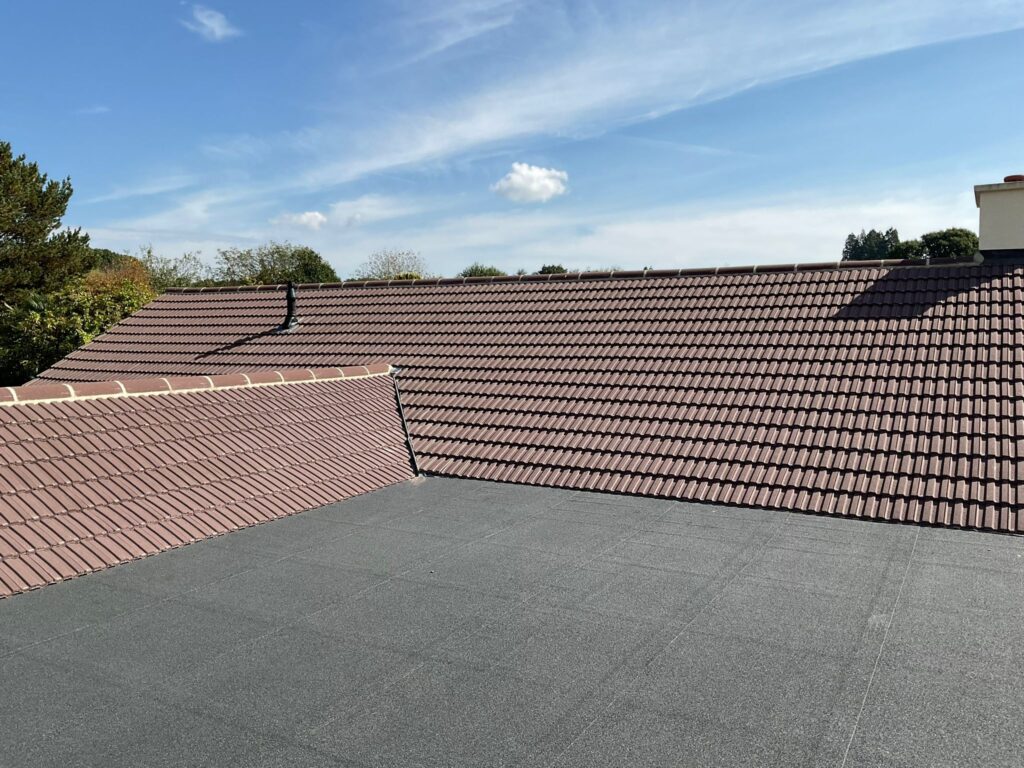
Roof underlay is an important part of a pitched roofing system, providing an additional layer of protection beneath the tiles or slates. Although it is not usually visible from outside the property, it helps prevent wind-driven rain, dust and debris from reaching the roof space. It also supports the overall performance of the roof by directing any moisture that passes beneath the outer covering towards the eaves.
Like other roofing materials, underlay can deteriorate over time. When this happens, its ability to protect the property may be reduced, potentially leading to dampness, timber damage and other roofing concerns. Homeowners in Beaconsfield, Buckinghamshire, should understand the warning signs and know when a professional inspection may be needed.
What Causes Roof Underlay to Deteriorate?
Roof underlay is exposed to changing temperatures, moisture and airflow within the roof structure. Its lifespan depends on the material used, the quality of installation and the conditions it experiences over the years.
Common causes of deterioration include:
- Ageing: Older underlay materials can become brittle, lose flexibility or gradually break down.
- Moisture exposure: Persistent dampness and condensation can affect the condition of certain underlay materials.
- Poor ventilation: Inadequate airflow within the roof space can contribute to condensation and prolonged moisture exposure.
- Installation problems: Incorrect fixing, insufficient overlap or poorly detailed edges can leave sections vulnerable to damage.
- Roof movement: Movement in the roof structure or repeated disturbance during previous maintenance can cause the underlay to tear or become displaced.
Identifying the underlying cause is important because replacing or repairing the underlay without addressing contributing issues may allow the same problems to return.
Signs That Your Roof Underlay May Be Failing
Underlay deterioration is not always obvious from outside the property. However, several warning signs may indicate that the material is no longer providing effective protection.
One possible sign is dampness within the loft. Water staining on rafters, insulation or other roof timbers may suggest that moisture is passing through damaged underlay or entering through another part of the roofing system.
Homeowners may also notice:
- Torn, sagging or visibly brittle material beneath the roof covering.
- Daylight appearing through gaps around the underlay.
- Water droplets or damp patches within the roof space.
- Insulation becoming wet or compressed.
- Persistent musty smells or signs of mould.
It is worth remembering that these symptoms can have several possible causes, including slipped tiles, defective flashing or condensation. A proper inspection is needed to establish whether the underlay is responsible.
How Deteriorated Underlay Can Affect Your Roof
When underlay becomes damaged, rainwater and wind-driven moisture may be more likely to reach the roof structure. This can gradually affect timber components, insulation and internal parts of the property.
Wet insulation may lose some of its effectiveness, while prolonged moisture exposure can contribute to timber decay. Gaps or tears may also allow wind-blown debris and dust into the roof space.
Underlay should not be treated as a substitute for sound tiles, slates or flashing. The outer roof covering remains the primary weather protection, while the underlay provides an important secondary barrier. Both layers need to work properly to maintain the roof’s overall performance.
Can Roof Underlay Be Repaired or Does It Need Replacing?
The appropriate solution depends on the material’s condition, the extent of the damage and whether the surrounding roof components are still performing effectively.
Where deterioration is limited and accessible, a local repair may be possible. However, widespread brittleness, extensive tearing or significant sagging may indicate that replacement is the more suitable option.
Underlay replacement generally involves lifting the relevant roof covering to access the material beneath it. This also gives a roofer an opportunity to check the condition of battens, rafters and other components before the roof is reinstated.
A professional assessment can help determine the most practical approach rather than relying on temporary measures that may not resolve the underlying problem.
Why Roof Inspections Are Important
Because underlay is hidden beneath the main roof covering, its condition cannot usually be judged from ground level. Periodic inspections can help identify deterioration before it contributes to more extensive damage.
A roofing professional can examine accessible areas of the roof space, look for signs of moisture and assess whether the underlay appears to be intact. If further investigation is required, the roof covering may need to be carefully lifted in the affected area.
Homeowners in Beaconsfield, Buckinghamshire, should also consider arranging an inspection if their property has an older roof, has experienced recurring leaks or has undergone previous roofing repairs.
Roof Underlay Inspections and Repairs in Beaconsfield
A deteriorating underlay can affect more than just the material beneath the tiles. If left unaddressed, it may contribute to damp insulation, damaged timbers and recurring moisture problems.
LS Roofing Beaconsfield can help homeowners identify roofing concerns and understand the work needed to maintain a dependable roof. Whether you have noticed signs of dampness in your loft or are concerned about the condition of an older roof, a professional assessment can establish the next steps.
Conclusion
Roof underlay plays an important role in protecting a property from moisture that gets beneath the outer roof covering. Ageing, poor ventilation, installation issues and prolonged exposure to damp conditions can all contribute to its deterioration.
Recognising warning signs early and arranging a suitable inspection can help prevent further problems. If you are concerned about roof underlay deterioration at your property in Beaconsfield, Buckinghamshire, contact LS Roofing Beaconsfield to discuss your roofing requirements.
Call us on: 01494 416 498
Click here to find out more about LS Roofing Beaconsfield
Click here to complete our contact form and see how we can help with your roofing needs.